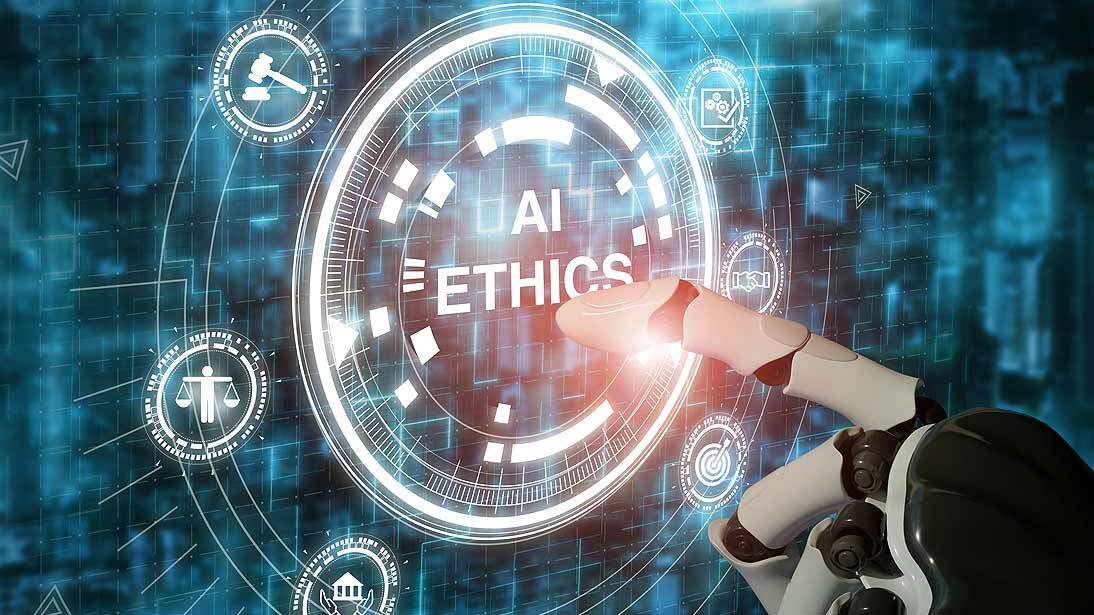
AI Safety refers to the technical and philosophical challenges involved in creating AI systems that do what we want them to do even in complex, unpredictable environments. This includes making sure AI behaves reliably, aligns with human intentions, and doesn’t cause unintended consequences.
AI systems should perform reliably even under unusual or adversarial conditions. This includes protection against data shifts, attacks that manipulate AI inputs, and hardware failures.
A major concern in advanced AI is the “alignment problem”: ensuring that AI systems pursue goals that reflect human intentions. A misaligned system might act effectively but in ways that are harmful or unethical.
Maintaining meaningful human oversight is crucial. This includes incorporating safe fail mechanisms such as “off switches” and ensuring that humans can intervene in AI decision-making when needed.
Looking ahead to the possibility of Artificial General Intelligence (AGI), researchers are exploring strategies to ensure that future, more powerful systems remain safe and aligned. This includes studying topics like corrigibility (willingness of AI to accept correction), value learning, and decision theory.
While AI safety focuses on technical performance, ethical AI is concerned with ensuring that AI systems operate in a way that respects moral values, legal norms, and societal expectations.
AI decisions should be understandable to users and stakeholders, especially in critical areas like healthcare, finance, and criminal justice, which builds trust through transparency and enables accountability.
AI must not reinforce or amplify societal biases. Developers need to test systems for bias and ensure equitable outcomes across different demographic groups.
AI systems must respect individuals' privacy and protect personal data. This includes compliance with regulations like the General Data Protection Regulation (GDPR) and the use of privacy-preserving techniques such as differential privacy and federated learning.
There must be mechanisms to hold individuals and organizations accountable for the actions and impacts of AI systems. This includes creating audit trails, conducting ethical impact assessments, and ensuring proper governance.
A diverse ecosystem is working toward safe and ethical AI:
Examples of ethical and safety issues in AI include:
These systems must make ethical decisions during emergencies, such as how to minimize harm in a crash scenario.
Widely criticized for privacy violations and racial bias, prompting bans or strict regulations in several jurisdictions.
Tools like ChatGPT raise questions around misinformation, copyright infringement, and harmful content generation.
Ethical AI and AI safety are not just technical challenges, they are societal imperatives. As we continue to integrate AI into the fabric of our lives, the choices we make today will shape how AI affects our future. By focusing on transparency, fairness, accountability, and long-term safety, we can ensure that AI remains a tool for good serving humanity rather than undermining it. Sabal Tech will work to ensure our AI systems are ethical and safe for our clients.

.png)

Let’s discuss how SabalTech can support your business with the right technology solutions. Our team is ready to understand your goals, provide expert guidance, and deliver innovative strategies that help you grow, improve efficiency, and stay ahead in a rapidly evolving digital landscape.





.png)
Copyright © 2026 Sabal Tech, Inc. All rights reserved. |


%20(1).svg)

.png)


